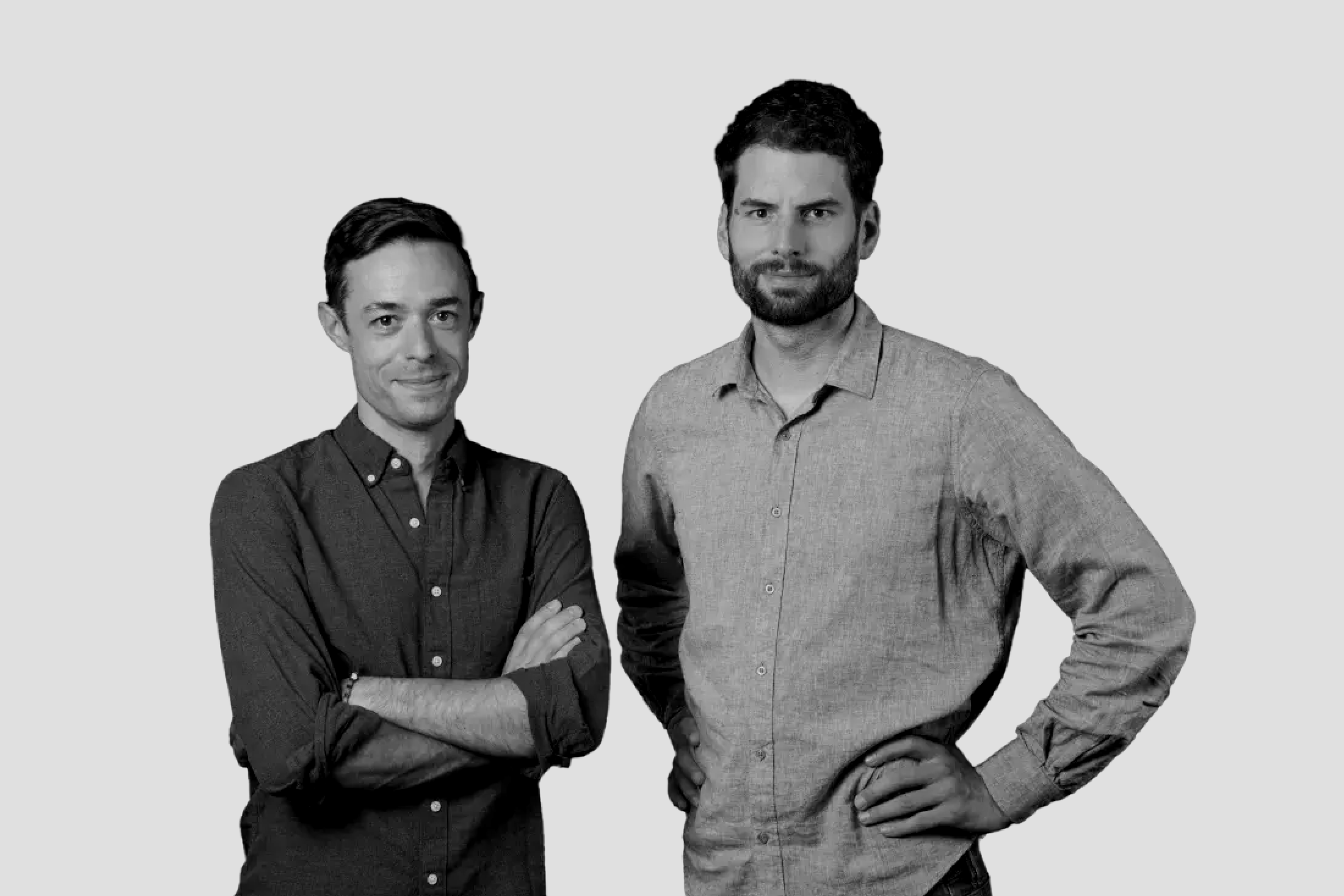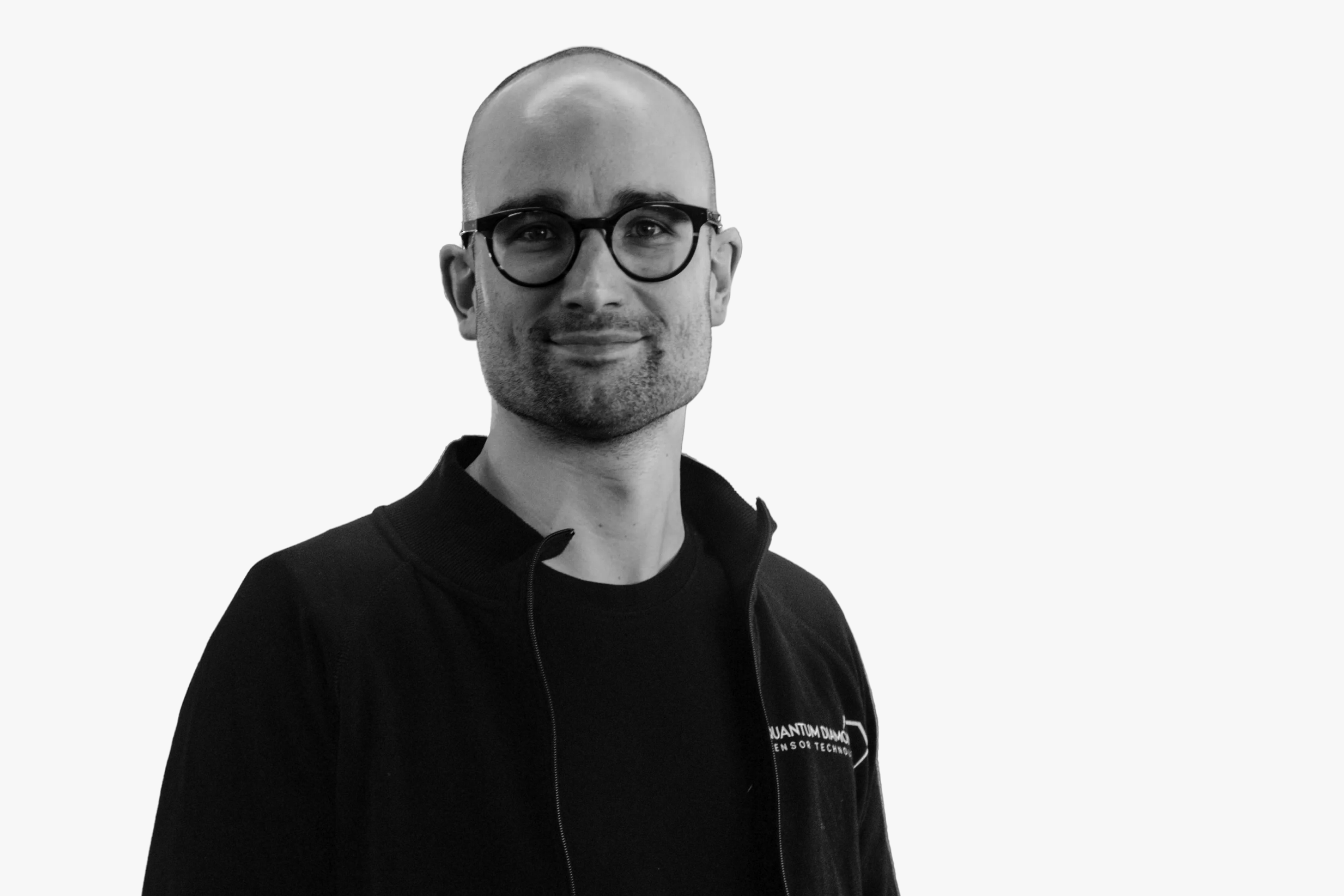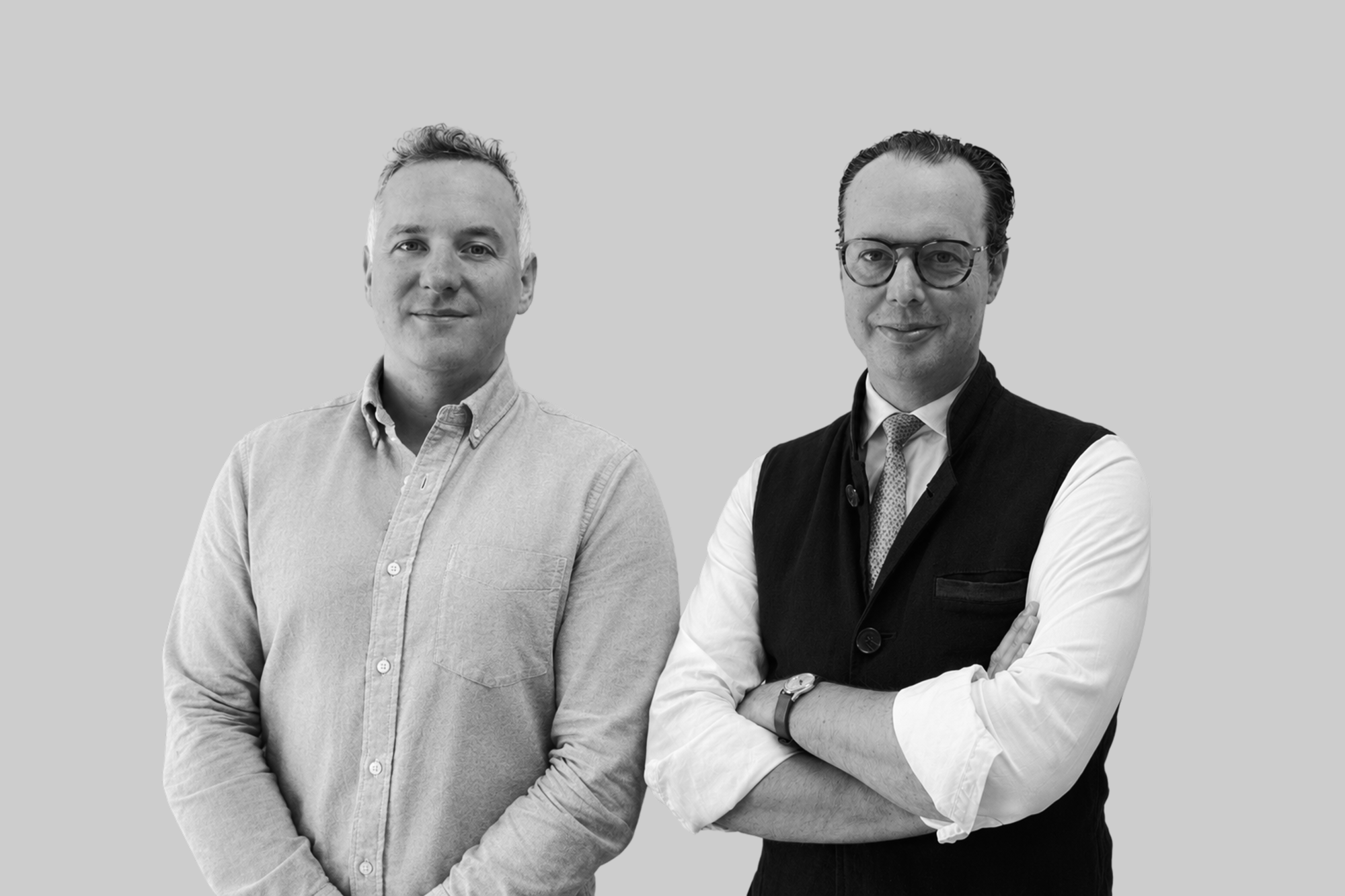
The coronavirus pandemic showed us how important understanding the immune system was to solving a medical crisis quickly, but it also revealed how little we really know. IMU Biosciences was founded by Dr. Adam Laing, Dr. Thomas Hayday, and Mario Cantero to build the most detailed picture of the immune system ever assembled. Adam and John Baker, IMU’s CEO, spoke with IQ Capital Partner, Alex Wilson, about how their platform is translating over 100 million immune data points from a simple 2ml blood sample into new treatments.
What are you building, and why now?
Adam: We’re building a way to understand the immune system at a level that hasn’t been possible before. We know the immune system is involved in almost every aspect of human health. Still, today we have no scalable way of characterising an individual’s immune system and understanding what it means for them.
Our platform brings together three things: a highly standardised and automated laboratory test, machine learning that can analyse the resulting data at scale, and large immune datasets that allow us to understand where an individual sits within the wider population. That could tell us how likely someone is to develop a disease, how it might progress or how they could respond to a particular treatment.
What did you see that others missed?
Adam: Our understanding of the immune system is incredibly fragmented. Researchers studying type one diabetes might focus on one part of it, while those studying cancer focus on another. We have a fantastic textbook understanding of how the immune system works, but we don’t have the same understanding of how it works in any given person.
John: Genomics provides a useful comparison. Next-generation sequencing gives you the same fundamental platform regardless of whether you’re studying cancer or another disease. IMU has the potential to provide that same universal platform for immunology, rather than requiring a different approach for every disease.
What fundamental breakthrough made this possible?
Adam: A lot of the innovation has come from industrialising and simplifying what happens in the lab. Traditionally, this kind of immune data can require a PhD-trained immunologist to manually analyse every blood sample. That is slow, difficult to reproduce and impossible to scale.
We developed a machine learning approach that can replicate that analysis in a way that is not only scalable, but also unbiased and reproducible. Combining that with an automated analysis has then allowed us to start building immune datasets at a scale that simply wasn’t possible before.
When starting, what was the hardest thing to convince people of?
Adam: Generally, there is a real openness and acceptance to the idea that the immune system is deeply integrated into human health. The biggest question we’ve got has been whether measuring the immune system through blood can really tell us what is happening with a disease in a specific tissue. The evidence we’ve generated to date suggests that disease progression in somewhere like the kidney, for example, can be reflected by changes detectable in the blood.
John: The other challenge has been communicating just how scalable the platform is. The same underlying technology can be deployed across radically different disease areas. Once that clicks with people, the potential becomes much easier to understand.
Why are you the team to do this?
Adam: We started with deep expertise in immunology and systems biology, but we’ve been able to build a much broader team around that because the problem captures people’s imagination.
John: That is particularly true in machine learning. There are a lot of talented people who want to work on problems with genuine impact, but they also need the right data. We can offer both: a hugely important problem and rich, consistently curated immune data that nobody else has.
As we’ve started to see clinically relevant signals, that has also helped us attract people with deep experience in clinical evidence generation and drug development.
How does the world change if you're successful?
Adam: The ambition is that medical teams around the world will have access to a detailed understanding of a patient’s immune system in the same way they have access to their blood pressure or cholesterol today.
We’ve already seen genomics transform areas such as cancer treatment by allowing doctors to understand the mutations driving a tumour and select treatments accordingly. There’s no reason the same principles shouldn’t apply to the immune system.
What does the next 12-24 months unlock?
John: The most exciting opportunity is to get our first clinical programme approved, deployed and changing outcomes for patients with leukaemia. The idea that we could go from something Adam was developing in the lab to an approved clinical assay in around five years is extraordinary.
At the same time, we’re building the infrastructure to operate at a completely different scale. Our partnership with UK Biobank will see us build an immune dataset spanning up to 500,000 people, while we’re also working towards deploying the platform in laboratories around the world.
That means proving what the technology can do in the clinic while building the infrastructure for it to be used much more broadly.